Peptide And Peptoid Synthesis Core
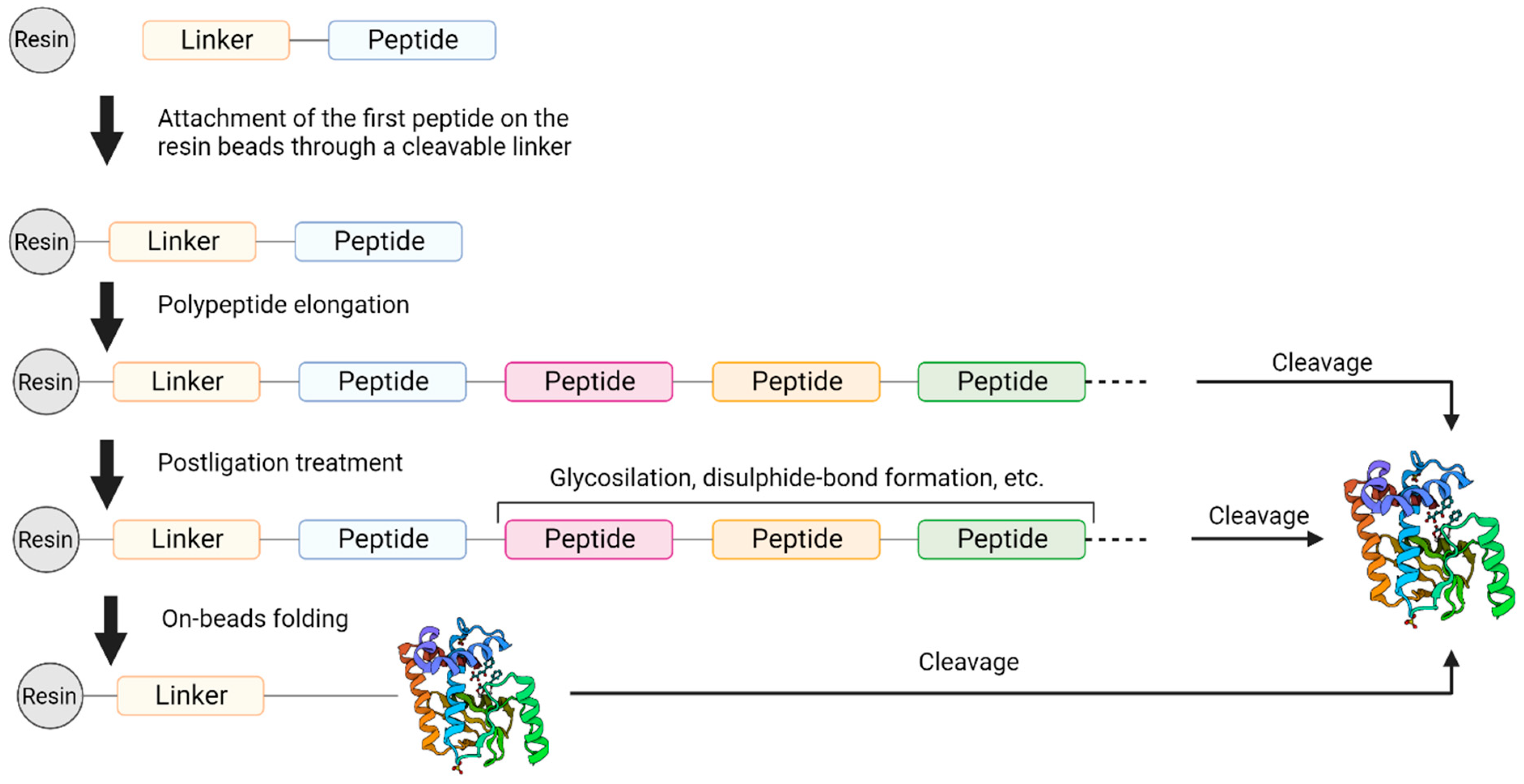
What Is Peptide Purity And Why Does It Matter In Research-grade Peptides? Qing Li Peptide Scientists typically assess identification testing to verify that the compound being analyzed matches the designated peptide. Samples are individually examined by our third-party research laboratory partner, Janoshik. Certified logical records are issued and made openly offered to make certain full openness and independent confirmation. We have the capability of serving clients from early peptide medication discovery phases to peptide evaluation. We offer all the technological info and instructions for each step of peptide synthesis and analysis. At Chameleon Peptides, every item ships with thorough third-party testing paperwork. Peptide pureness testing continues to be among one of the most essential tools scientists make use of to examine research study compound high quality. Via approaches such as HPLC and mass spectrometry, scientists can much better understand peptide make-up, verify product identification, and evaluation distributor top quality requirements. When incorporated with Certificates of Analysis and clear paperwork, pureness testing assists support educated sourcing decisions and lasting research uniformity. When reviewing a peptide vendors list, researchers must prioritize vendors that offer thorough analytical data. Business intent for peptides frequently results in a market saturated with resellers who may not confirm the security of their Pharma Grade Research Peptides stock during transit. The final detoxified peptides are vialed under aseptic problems. Solid Phase Peptide Synthesis (SPPS) is based on consecutive addition of alpha-amino and side chain shielded amino acid residues to an insoluble polymeric assistance. Quickly, synthesis is done by stepwise enhancement of turned on amino acids to the strong support (Wang resin and PEG-PS) starting from the carboxy terminus to the amino terminus. Activation of amino acids were executed by DIC-Oxyma chemistry. At the end of the synthesis the peptides were cleaved off the resin by reagent R (90% TFA, 5% Thioanisole, 3% Ethanedithiol, and 2% Anisole) and subjected to several ether removals. In addition to HPLC and MS, specialized laboratories may employ orthogonal strategies for included precision. For example, capillary electrophoresis can be made use of to separate extremely hydrophilic peptides or to confirm results, and MALDI-TOF mass spectrometry can assist in mapping bigger or customized peptides. Several peptide producers or providers will provide a COA (Certification of Evaluation), for instance our bpc 157 tb 500 mix, that includes the purity portion by HPLC and identification verification by MS for each set. Chromate provides analytical screening with proven on-line outcomes. QR codes on their COAs connect to verification web pages where researchers can validate document authenticity. The lab's track record originates from regular, reliable outcomes and independence from any kind of supplier. Notably, purity percentages explain chemical composition only-- they do not show sterility or organic suitability. Peptides from Maxed Out Substances are provided solely for lab study usage and are not planned for human or veterinary purposes. The key point is not to perplex pureness (HPLC percent of the main peptide vs pollutants) with general web content. For experimental preparation (like computing molar focus), both pureness and net material work numbers, however pureness is what reflects the chemical homogeneity of the peptide sample. For research study involving any kind of biological system (cell society, in vivo pet designs), endotoxin information is extremely pertinent and its absence ought to be dealt with as an incomplete COA. Third-party screening labs of note in the peptide research study supply chain include certified logical chemistry solutions that run under ISO or comparable quality administration frameworks. A COA identifying the screening research laboratory by name, and for which the screening lab's accreditation can be separately validated, lugs considerably much more evidentiary weight than a confidential inner COA. Many peptide suppliers and study labs rely upon several reputable logical techniques. High pureness is desirable due to the fact that also small contaminants could hinder experimental outcomes or interpretations. Without independent verification, you're trusting advertising and marketing insurance claims over scientific proof. And in the peptide world, that presumption can bring about squandered money, stopped working research, and potentially severe safety and security problems. You have actually purchased peptides from what seemed like a reputable supplier. The item arrived with a certification of analysis revealing 99% pureness.
Peptide Pureness And Accuracy: How Laboratories Confirm Make-up
The contrast in between BPC-157 and TB-500 relies upon both substances being accurately identified. Checking validates you're comparing what you mean to compare. This procedure produces a certified supplier checklist you can trust for recurring acquisitions. Resources like SeekPeptides provide advice for supplier evaluation along with other study support. Beyond specific testing choices, methodical techniques to quality control improve overall research reliability. If screening reveals troubles, you have actually lost only a small investment rather than a huge one.What Is Hplc? The Standard Concept
- When you see peptide purity reported utilizing HPLC, it means the product has been very carefully evaluated using one of the most reputable quality-control methods offered.
- Trace amounts of solvents made use of during synthesis and purification-- acetonitrile, dimethylformamide (DMF), dichloromethane-- can stay in the final product.
- For scientists, acquiring confirmed peptides isn't just a rule-- it's the structure of dependable experiments and research study reproducibility.
Is 95% pureness good for peptides?
Peptides with an 85% pureness level or better are usually made use of in enzyme assays or biological task research studies. Peptides with pureness above 95% are excellent for measurable evaluation.